

Even though Apple isn’t one to “blindly pursue market share†, China has risen to become its second biggest market in terms of revenue, right behind the United States. In fact, CEO Tim Cook is convinced that in the near future “China will become Apple’s largest marketâ€. But despite recently introducing a new interest-free payment option  and two million sales during the opening weekend, that wasn’t enough to curb China’s explosive growth of Android cheapos. And as price-sensitive shoppers continue to favor attractively-priced Android handsets over the pricey Apple smartphone, the iPhone 5 has done little in terms of moving the needle…
Smartphones made up 73 percent of China’s market for handsets, a notable jump from just 40 percent a year ago. Quarterly smartphone volumes in the country grew 113 percent to 64.7 million units in the fourth quarter of 2012
According to Canalys data [1] , the iPhone 5 hasn’t catapulted Apple back into China’s top 5 handset rankings yet. For now, the firm remains China’s sixth handset vendor, a position it held in the third quarter of 2012 .
The iPhone 5 effectively increased Apple’s share in the country from eight percent in the September 2012 quarter to 8.5 percent in the December 2012 quarter.
Samsung remains the top smartphone vendor with a sixteen percent of the Chinese market, followed by #2 Lenovo, #3 Yulong Computer Telecommunication Scientific, #4 Huawei and #5 ZTE.
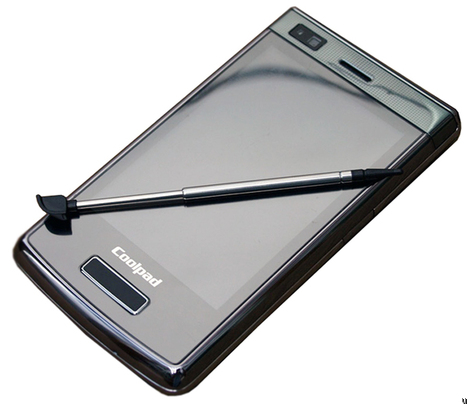
Note that Lenovo, Yulong, Huawei and ZTE are all local brands. Yulong makes the Coolpad, a tiny sub-$100 smartphone which outsells the iPhone  by a large margin.
Sony fell out of the top five this quarter and China made up an astounding 98 percent of Lenovo’s smartphone shipments, Canalys noted.
China is a massive growth prospect, but Apple is not making the market share impact there that it is in other markets. The lack of a device on the China Mobile network is a big drawback, combined with high price points.
Rumors persist that Apple’s been developing a sub-$200 prepaid iPhone to reclaim its market share in emerging markets like China, India and Brazil, where its handset lingers in single-digit ranges.

Besides lack of this budget iPhone, Apple is also losing out by not having the iPhone sold by state-owned China Mobile, the world’s largest wireless carrier by subscribers with about 703 million.
And with a whopping 1.1 billion mobile phone users as of end of November 2012, China is both the world’s biggest telecom market by subscriber base and the top Android market . It doesn’t take a genius to figure that Apple needs a distribution agreement with China Mobile more than ever .
Now, Tim Cook during his last trip to China met with the carrier’s top dogs to talk “matters of cooperation†and the two firms have for ages been discussing developing a version of the iPhone that could run on the carrier’s TD-SCDMA network.
Still, those talks have yet to come to fruition.
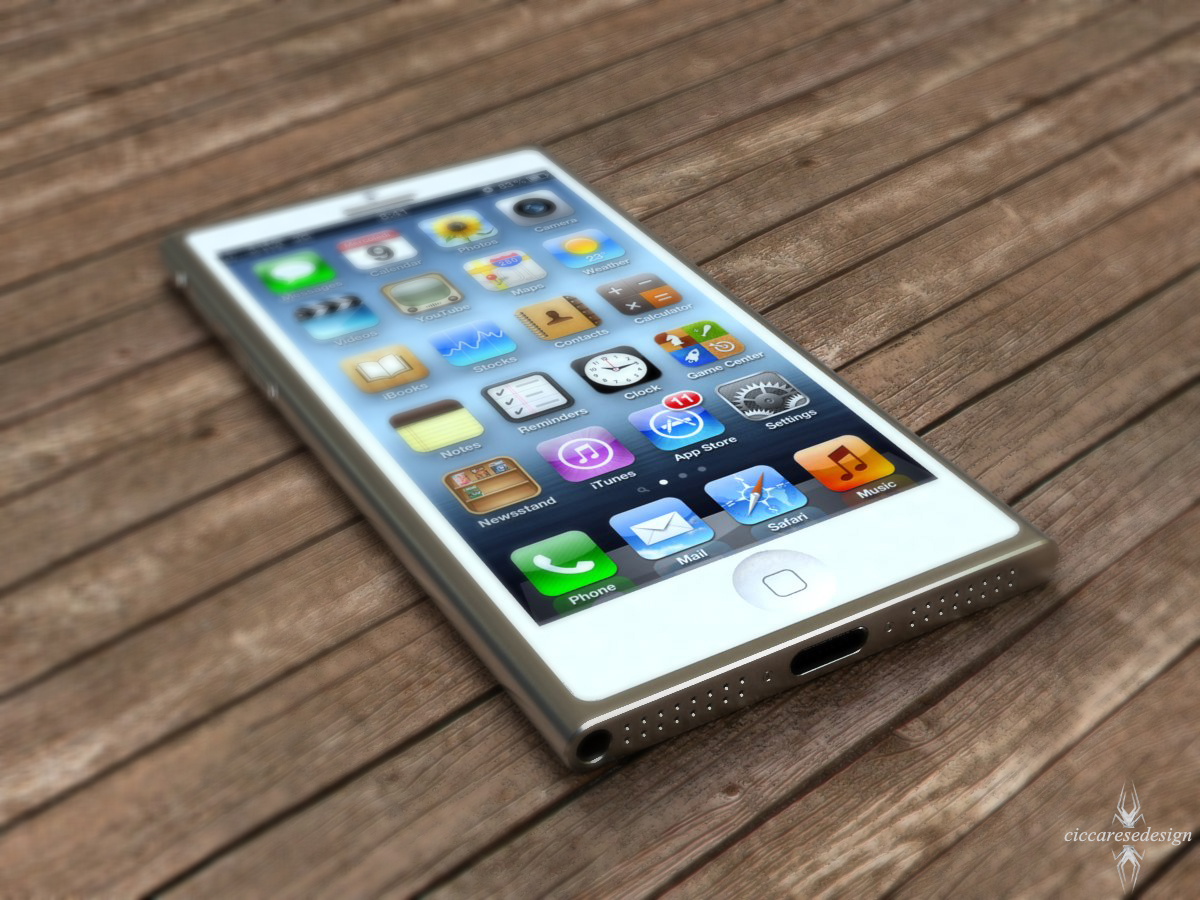
Next-gen iPhone concept by CiccareseDesign [2] .
A TD-SCDMA iPhone coupled with a brand new low-priced model “would open the flood-gates†in China, Canalys researchers wrote. Canalys also estimates Samsung shipped 210 million smartphones worldwide in 2012, with Apple and Nokia shipping 136 million and 35 million units, respectively.
The iPhone maker also has a retail problem in China.
Operating only eight own brick-and-mortar outlets, Apple relies heavily on authorized resellers to push its warez.

Despite “many resellers†in the 1.33 billion people country, Apple “will continue to expand in China and the number of retail stores we’ll have will exceed 25″, Cook told China’s news portal Sina Technology News a month ago.
I love China because it is full of life, full of energy and it’s a quickly-changing market.
He also wishes China to be among first countries in which Apple debuts new products.
So, the overpriced iPhone, inadequate retail presence, price-sensitive customers, no China Mobile deal and the Android freight train all add up to Apple’s disappointing standing in China.
The question is, can Apple buck that trend in a timely fashion?
Links
- ^ Canalys data (www.canalys.com)
- ^ CiccareseDesign (www.ciccaresedesign.com)
No comments:
Post a Comment